Roundtable Discussion 10 am-11 am:
Experts Discuss Why Religious Freedom Matters—at the Birthplace of the 1649 Maryland Toleration Act
Gene Schaerr and other religious freedom experts will gather in St. Mary’s City—to see the building where America’s first religious freedom law, the 1649 Maryland Toleration Act was created. Together, they will discuss how religious liberty continues to shape and protect communities today, from education to public participation.
Celebrate America 250: 11 am - 2 pm:
by walking where the seeds of religious freedom and early American life were planted.
$18 for the tour (pay same day)
The drive to St. Mary’s City can be up to a couple of hours, so carpooling is recommended.
For those who want to walk, plan on about a 3K walk between sites. Others may choose to drive between historic sites, where parking lots are available. If you would like to come just for the faith forum this part of the event will be from 10-11 am.

Walk Historic St. Mary’s City—Maryland’s first capital (1634)—and step into early America at this outdoor living history site. Explore the Maryland Dove ship, a Native American hamlet, colonial buildings, and active archaeological digs, all along peaceful trails by the St. Mary’s River.

What Will I Learn?
-
How the first religious freedom law in America came to be, who it protected and why
-
What the "free exercise of religion" meant to early colonists, and how it was protected
-
First use of “free exercise of religion” origins
-
How early Maryland colonists lived and worked together despite differing religions
-
How can we protect religious freedom today
What Will I See?
-
Round table discussion by religious freedom experts
-
Personalized History Tour of St Mary's City
-
Living history exhibits (ship, tavern, hamlet)
-
Reconstructed State House, chapel, and meeting house
-
Real-time archaeology at early settlement sites
-
3+ miles of scenic walking trails and river views
-
Colonial farm life with heritage crops and animals

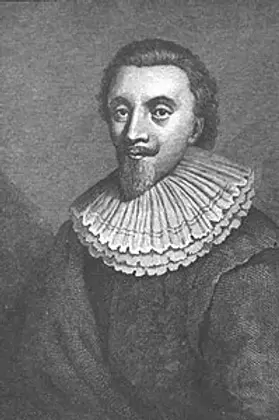
Who Inspired America's First Religious Freedom Laws?
George Calvert (1580–1632), 1st Lord Baltimore, was an English statesman and early advocate for religious toleration. After converting to Catholicism in Protestant-dominated England, Calvert experienced the legal and social restrictions placed on Catholics and began seeking a place where people of different Christian faiths could live and worship in peace.
In 1632, King Charles I granted Calvert a charter to establish the Colony of Maryland in North America. Although George Calvert died before the colony was founded, his vision shaped Maryland as a refuge where Catholics and Protestants could coexist without persecution. His son, Cecilius Calvert (2nd Lord Baltimore), carried out this vision and oversaw the settlement of the colony in 1634.
To preserve peace among the settlers, the Calverts instructed colonists to respect one another’s faith and avoid religious conflict. This vision eventually led to the Maryland Act Concerning Religion (1649)—often called the Act of Toleration—one of the earliest colonial laws to protect the free exercise of religion for Trinitarian Christians.
While the famous “free exercise” language comes from the 1649 law rather than from George Calvert himself, the act reflects the ideals he set in motion: a colony where faith could be practiced according to conscience rather than enforced by the state.

St. Mary’s City: America’s First Call for Religious Freedom

The walk will end at the living-history museum in Maryland
Historic St. Mary's City is a re-created, living-history museum in Maryland, marking the 1634 site of the fourth permanent British colony. Founded by Cecil Calvert (2nd Lord Baltimore) as a Catholic- The 1649 "Act Concerning Religion" passed here was the first law in North America mandating religious tolerance, designed to protect Catholics. The outdoor living history museum commemorates the fourth permanent English settlement in North America, Maryland’s first city and for sixty-one years, its colonial capital.
Why You Will Exercise for the Free Exercise of Religion
-
Recognize, understand, and celebrate the first religious freedom law in the American colonies. This was the first time the term “free exercise” of religion appeared in law. Although the law was short-lived and applied only to Catholics and Trinitarian Christians, it helped pave the way for future religious freedom in America.
-
Discuss how the free exercise of religion affects us today and why protecting it remains important.
-
Learn and connect with Marylanders of all ages and diverse religious beliefs.

Contact an Alliance Member from MontgomeryCounty
To sign up for an event or join the alliance